


Table of Contents
SSDI lawyer marketing operates in a market defined by two realities: over 8 million Americans currently receive SSDI benefits, and the Social Security Administration denies the majority of initial applications, creating a large, recurring demand for skilled attorneys at the appeals stage. The clients your marketing needs to reach are not searching from a position of financial strength — they are often unemployed, medically limited, and financially strained. They search with urgency and evaluate attorneys with a combination of desperation and skepticism. A good marketing system acknowledges that emotional context, inspires confidence quickly, and makes contact frictionless.
In this guide, we cover the website strategy, SEO, paid advertising, social media, email, and referral channels that matter most in social security disability attorney marketing.
Positioning and Brand Differentiation for SSDI Law Firms
Effective SSDI attorney marketing does not describe what every other disability firm offers. It speaks to the specific situations and conditions that your firm handles, and it communicates empathy alongside expertise.
Your next prospect who is searching for SSDI legal help is probably facing their second or third denial — they’ve been through the process and have been told no. Use marketing that acknowledges that experience ("We know you have already been denied. Here is what we do differently."). This converts at higher rates than marketing that simply announces availability.
Branding for social security disability law firms also needs to communicate approachability. A law firm website that feels formal, cold, or intimidating creates friction for a client population that is already uncertain about whether they can afford or access legal help. Warm tone of voice, clear plain-language explanations of the SSDI process, and visible evidence that the firm handles cases like theirs — through condition-specific content and testimonials — are the brand signals that lower that friction.
Specific condition coverage on the website matters for both conversion and search visibility. If your firm publishes content on mental health disability claims, chronic pain conditions, neurological disorders, and musculoskeletal impairments, you’ll attract not just broader search traffic but more qualified traffic — prospects who are searching for an attorney who understands their specific medical situation.
SSDI clients are not shopping for legal services. They are looking for someone who understands their situation and believes their case can be won. Marketing that meets their pain with empathy and action converts.
The SSDI Law Firm Website: Converting Distressed Visitors Into Consultation Requests
— Website Design and UX for Disability Clients
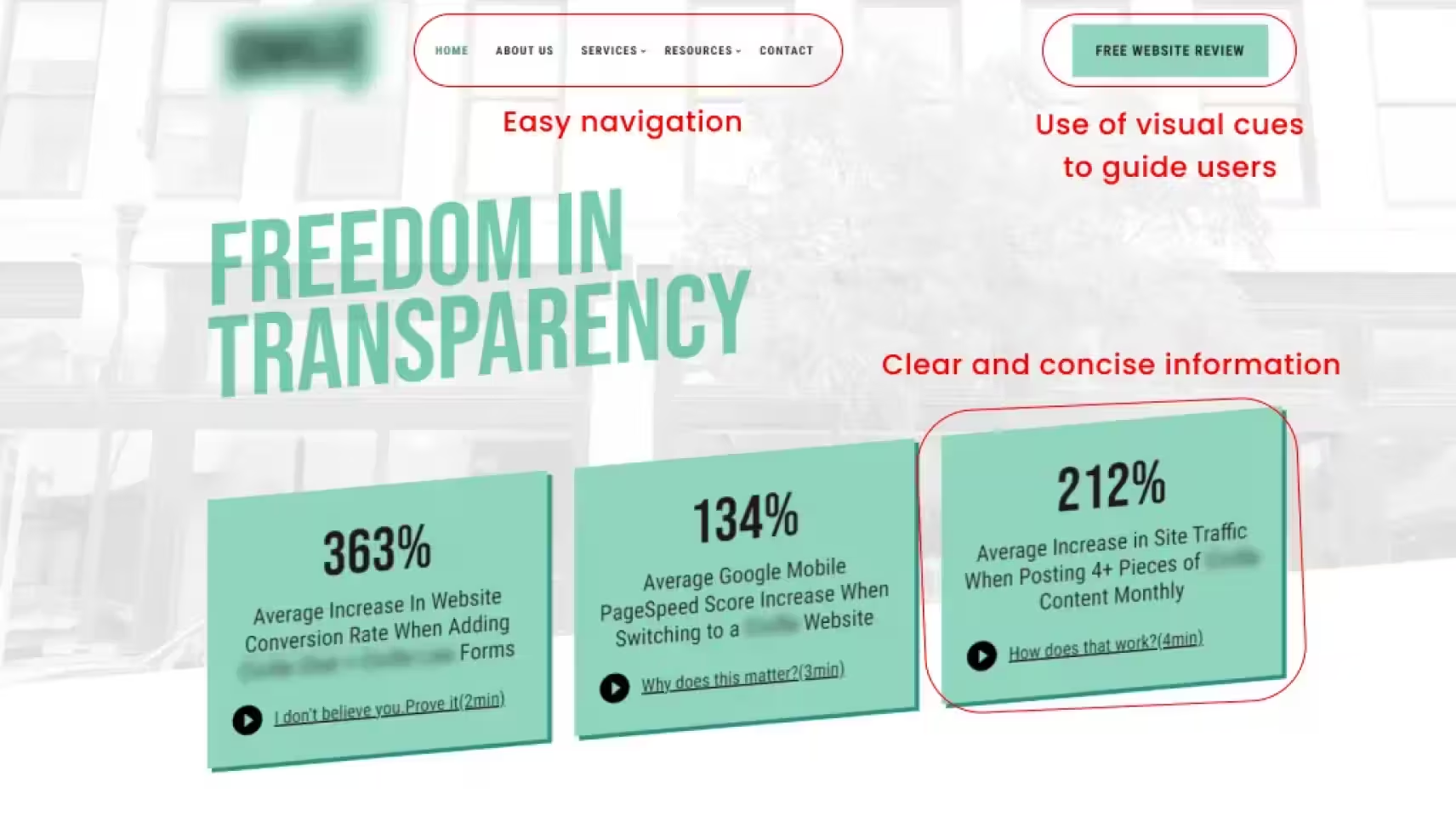
Social security disability lawyer marketing flows through the website — every ad, every search result, every referral sends prospects there. The website has one job: convert a distressed, time-pressured visitor into a contact request as efficiently as possible. Stay clear of complicated navigation, excessive legal jargon, and hard-to-find contact information. These are the most common conversion killers in SSDI law firm websites.
All high-converting SSDI websites share a consistent structure. The homepage immediately communicates what the firm does (SSDI appeals, SSI claims, disability representation) and who it serves (denied claimants, first-time filers, veterans with disability overlap). Practice area pages are organized by claim type or condition category rather than by the internal structure of the legal process — clients search for help with their situation, not for help with a "Title II appeal." Testimonials are specific enough to feel credible, mentioning the general condition type and the outcome.
The contact form asks only for essentials: name, phone number, and what stage of the process the prospect is at (initial application, reconsideration, ALJ hearing, appeals council). Every additional field reduces submission rates. A live chat option captures after-hours prospects who are not ready to call but are willing to type a question.
See how we build high-converting SSDI law firm websites -> Law Firm Website Design
SSDI Attorney Advertising: Paid Channels That Fill the Pipeline
— Google Ads and PPC for Social Security Disability
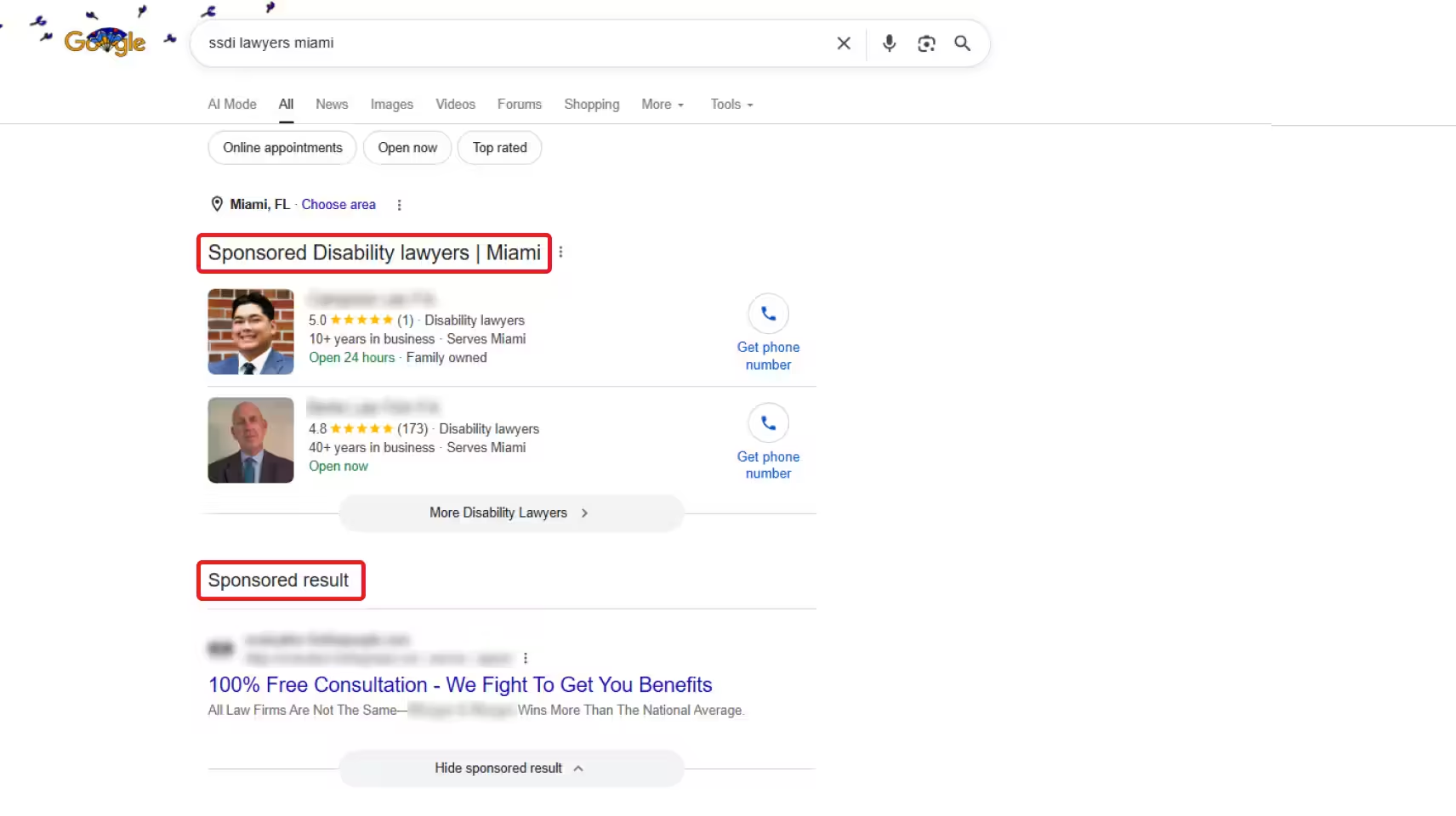
To reach claimants who are in active search mode, use paid search SSDI attorney marketing. These prospects have a denial letter in hand or a hearing date approaching, and they are seeking urgent help. An effective campaign structure for SSDI PPC mirrors the process stages: separate ad groups for initial application help, reconsideration appeals, ALJ hearing preparation, and appeals council representation. Each stage has its own urgency level and its own search behavior, and matching the ad copy to that specific stage consistently outperforms generic disability lawyer campaigns.
Moreover, social security disability attorney advertising through Google Local Services Ads provides a per-lead cost model that works particularly well in SSDI because the client acquisition economics — a contingency fee practice with average case values in the thousands — justify meaningful per-lead investment. LSA also operates on a response-speed ranking signal, which creates an operational incentive to maintain fast intake protocols. If your firm has someone available to respond to LSA inquiries within minutes, you can consistently outperform those responding hours later.
— Facebook Ads and Reaching Disability Claimants on Social
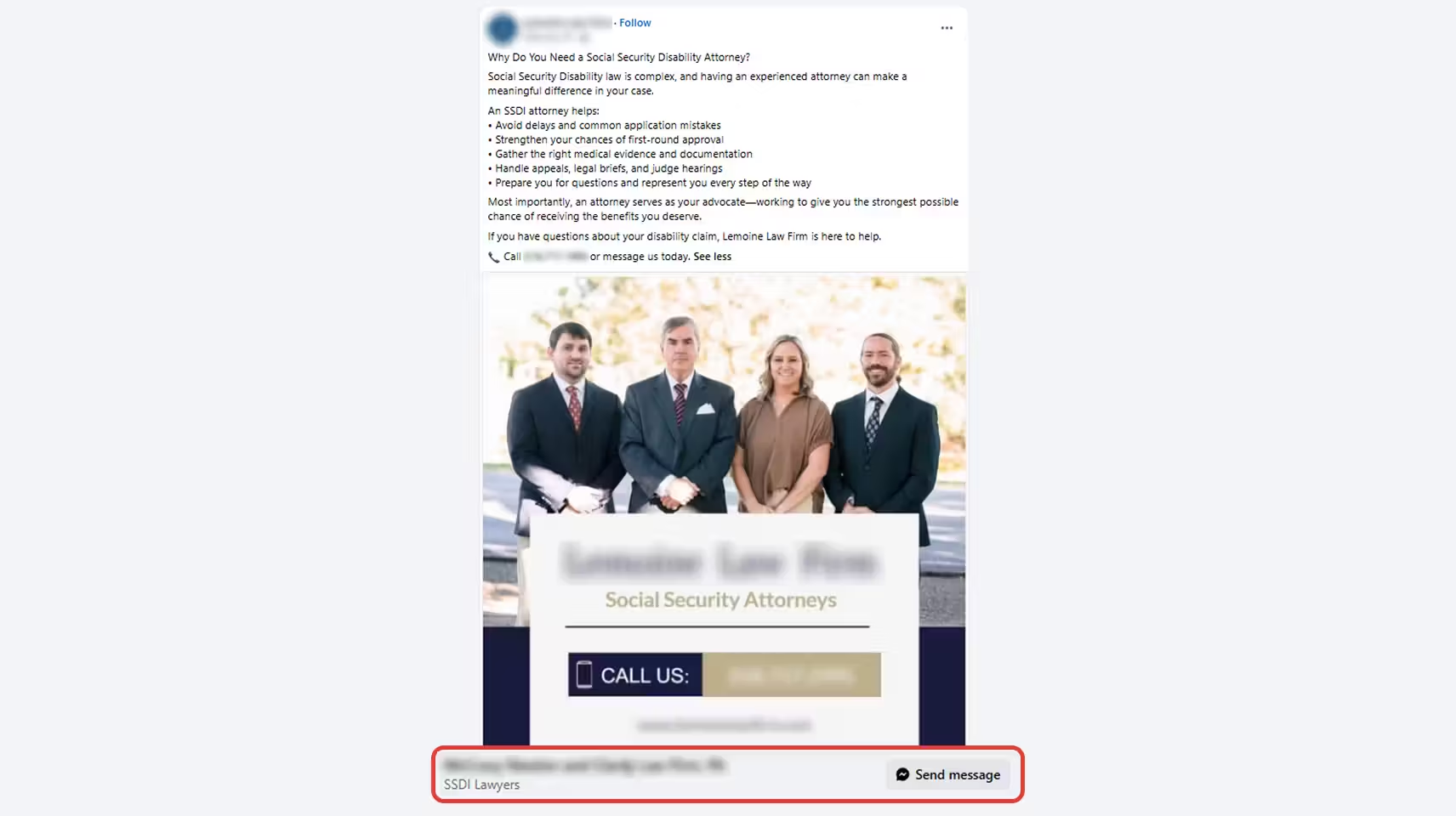
Social security disability attorney advertising through Facebook and Instagram reaches a different prospect segment than Google — claimants in the awareness phase who have not yet started actively searching for legal help, but who are researching their situation on social platforms. Facebook targeting for SSDI firms works by combining age demographics (the peak SSDI application age range is 50-64), geographic location, and behavioral signals around healthcare and benefits research.
We’ve personally seen that video content performs best in this channel. A two-minute explainer video by an attorney walking through what happens after an SSDI denial — plain English, empathetic tone, actionable next steps — converts at significantly higher rates than static image ads because it demonstrates the attorney's expertise and communication style before the prospect ever calls.
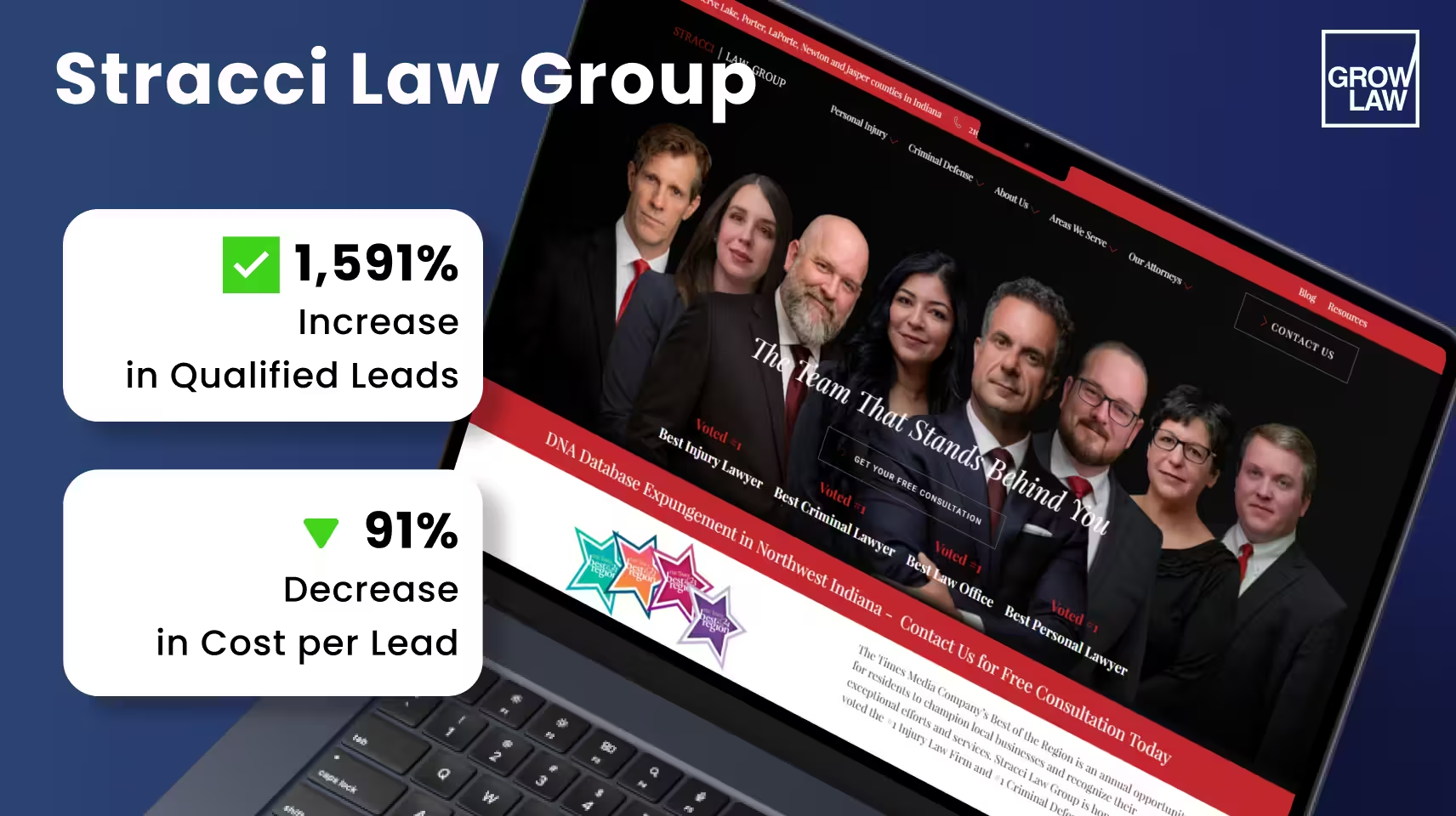
Learn how we structure paid advertising for SSDI firms -> PPC for Law Firms
Content, SEO, and Long-Term SSDI Lead Generation
Content marketing is the highest-leverage long-term investment in SSDI lawyer marketing. The questions that disability claimants research before hiring an attorney — "what are my chances of winning an ALJ hearing," "how long does SSDI appeal take," "what medical evidence do I need for my anxiety claim," "can I work part time while waiting for disability" — are being typed into Google millions of times per month. If your firm publishes authoritative, specific answers to those questions, you could easily capture that research traffic and earn their trust before the conversation with the client.
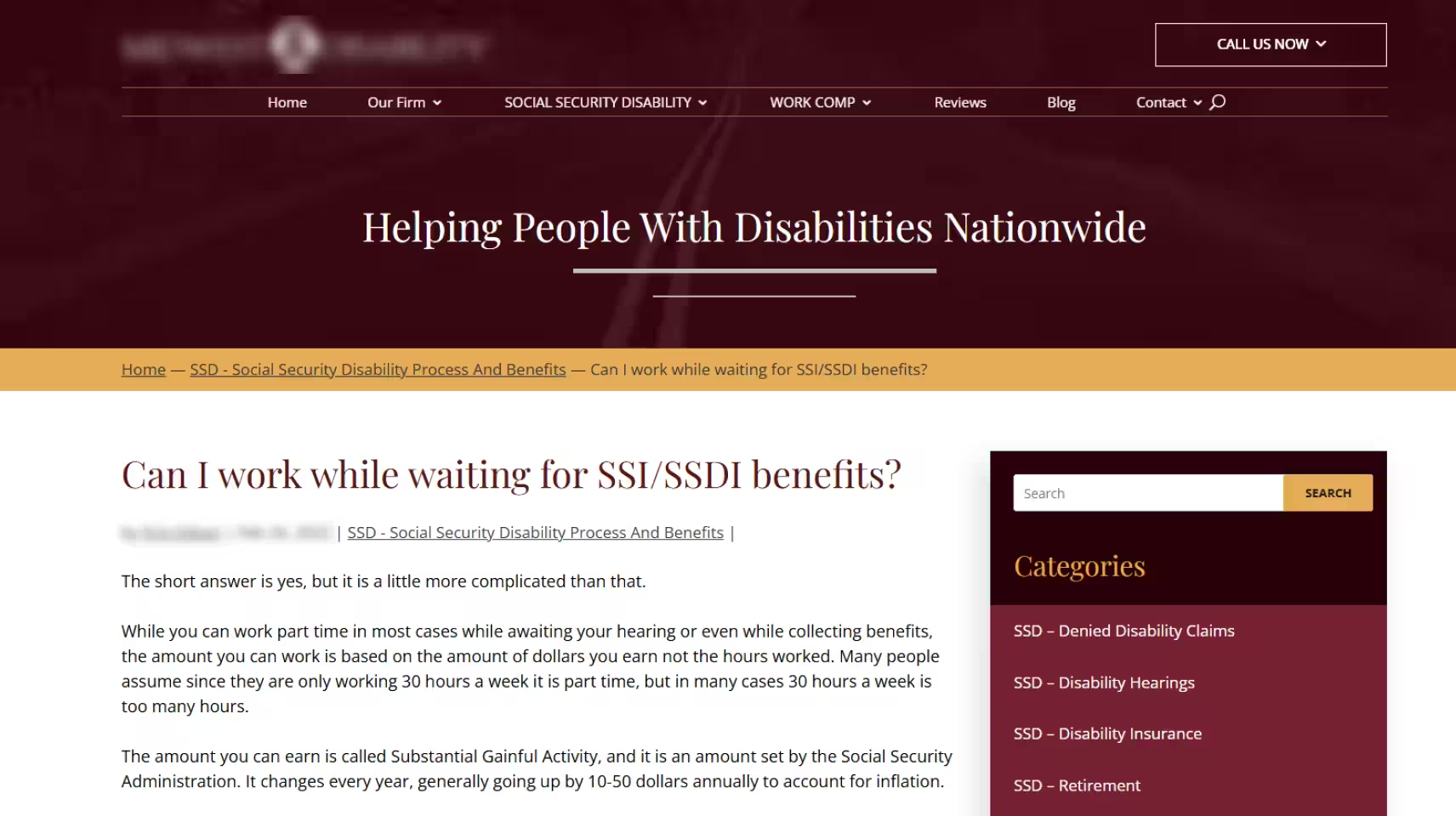
Disability attorney lead generation through organic search compounds over time. A well-optimized blog post answering "what happens at a Social Security disability hearing" continues generating qualified traffic and contact requests years after it is published, at zero ongoing cost. A PPC campaign stops generating leads the moment the budget runs out. The firms with the strongest SSDI marketing economics run both channels simultaneously — paid for immediate volume while organic builds — and shift budget mix as organic gains traction.
Local SEO for SSDI firms captures the highest-converting local intent searches — "disability attorney near me," "SSDI lawyer in [city]," "Social Security hearing representative [county]." Google Business Profile optimization with complete information, accurate practice area categories, and an active review profile is the foundation. Be sure to also build local citations in legal and disability-related directories. These reinforce your geographic authority signal that drives map pack placement.
— Networking and Referral Channels for SSDI Attorneys
How to get SSDI clients through referral channels: build relationships with healthcare providers who treat the conditions common in SSDI claims — physicians, mental health counselors, physical therapists, and pain management specialists who interact with disabled patients before those patients contact an attorney. A referral from a treating physician who trusts your firm carries more conversion weight than any paid impression. Community outreach — free workshops on the SSDI application process, partnerships with local disability advocacy organizations, and volunteer clinics — builds your community credibility in a way that advertising cannot purchase.
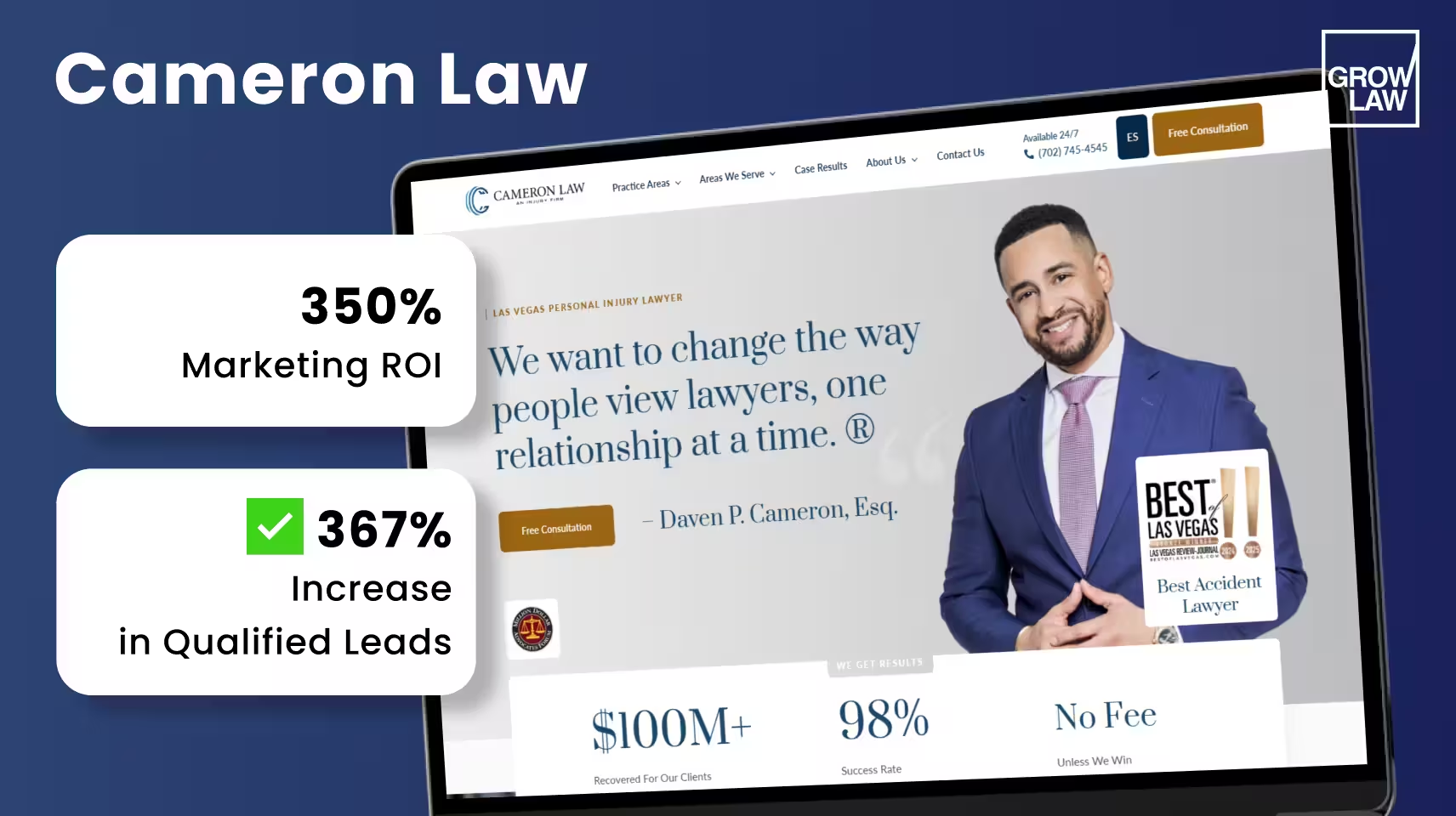
Get a custom SSDI marketing plan for your firm and market -> Free Growth Plan
Summary
- SSDI lawyer marketing starts with brand positioning that reflects empathy and specific condition expertise — marketing that acknowledges the denial experience converts better than generic disability law advertising.
- The SSDI website must minimize friction at every stage: plain language, condition-specific content, a short contact form, and a mobile-optimized, fast-loading layout are conversion requirements.
- Paid advertising for SSDI works best when structured around process stages (initial, reconsideration, ALJ hearing, appeals council) with stage-specific ad copy and landing pages.
- Content marketing that answers the specific research questions disability claimants search builds long-term organic lead flow that compounds over time and reduces paid channel dependence.
- Referral relationships with treating healthcare providers produce the highest-trust SSDI leads — a physician referral carries conversion weight no ad can match.
- Email marketing maintains visibility with prospects in the long SSDI waiting process, keeping the firm top of mind through policy updates, hearing tips, and process explanations.
Frequently Asked Questions

Compare Your Practice Instantly
Stay Ahead of the Competition!
Compare your law firm's performance to Local competitors with our instant assessment tool
Get a clear picture of your firm's performance
Boost your online presence
Compare My Firm
Compare Your Practice Instantly
Stay Ahead of the Competition!
Compare your law firm's performance to Local competitors with our instant assessment tool
Get a clear picture of your firm's performance
Boost your online presence
Compare My Firm
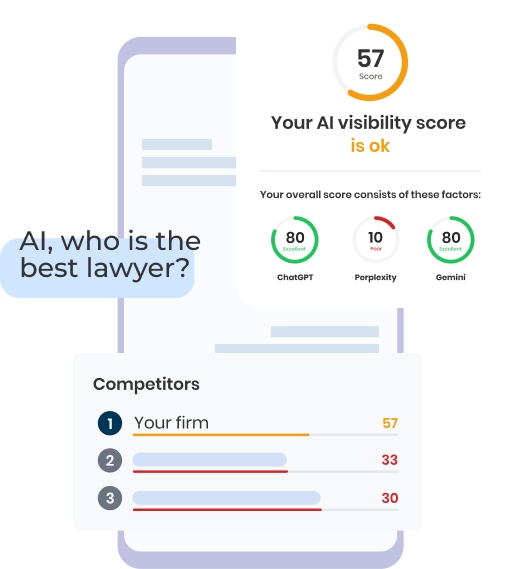
Check Your AI Visibility Instantly
Find Out What AI Is Telling Your Potential Clients
Run our free AI Visibility Report to:
See how often top AI tools mention your law firm
Spot which competitors show up first
Get the next steps to capture more cases
Run My Free AI Report
.avif)
.avif)
.avif)

