


Table of Contents
Veterans disability attorney marketing starts with a reality that shapes every channel and every message: your clients have already been through a system that failed them. Over $62 billion in VA compensation and pension benefits are distributed annually to roughly 6.9 million veterans and their families — yet most veterans who file claims do so without legal help, and many have already been denied once before reaching your door. That experience of bureaucratic frustration and unmet expectation is the emotional context for every piece of marketing a VA disability law firm produces. For a deeper breakdown, see our guide to why SSDI lawyers should invest in digital marketing.
In this guide, we cover how to build a marketing system that reaches veterans where they search, earns their trust through specific and empathetic messaging, and converts that trust into consultations — from website architecture and paid advertising to content strategy, social media, and reviews.
Positioning: Who Your VA Disability Firm Serves and What Makes It Different
Veterans disability lawyer marketing that treats all VA disability clients as a single audience consistently underperforms. The VA disability market includes distinct segments with meaningfully different needs: veterans filing initial claims who need help building a strong record, veterans who have received a denial and need an appeal, veterans whose rating has been reduced and who need to fight the reduction, and veterans dealing with specific conditions — TBIs, PTSD, MST, toxic exposure claims (PACT Act), or combined ratings disputes. Each of these situations calls for different messaging, different content, and different channel emphasis.

To build credibility, you must position yourself around specific claim types or veteran populations. Generic "we help veterans" messaging is not effective. A firm that specifically mentions PACT Act claims, burn pit exposure, or MST appeals in its homepage headline speaks directly to the veteran in that specific situation. That specificity is a conversion signal — it tells the prospect this firm understands their case, not just the general category.
Veterans who have already been denied once are not looking for a lawyer who helps veterans. They are looking for a lawyer who has won cases like theirs. Marketing that reflects that specificity converts.
See how we build positioning-first marketing strategies for VA disability firms -> Veterans Disability Marketing Services
The VA Disability Law Firm Website: Trust Architecture for a Skeptical Audience
— What Veterans Look for Before They Call
Over 30% of legal clients begin their search online, and for veterans navigating the VA system, the research phase can be extended — they compare multiple firms, read reviews, and evaluate credentials before making contact. Your website has to pass that evaluation in under ten seconds. A slow, outdated, or generic site fails that test regardless of how skilled your attorneys are.
There are specific structural features in every veterans disability law firm website that converts. The homepage immediately communicates what types of cases the firm handles, what outcomes it has achieved, and how to contact them. Attorney bios reflect real VA experience — appeals filed, hearings handled, rating increases secured — not just credentials and bar admissions. Testimonials from past veteran clients, presented with enough specificity to feel real (branch of service, condition type, outcome), carry more conversion weight than any other trust signal on the site.
Your website’s mobile performance is essential. Veterans searching for legal help — often on phones, often in stressful moments — will not wait for a slow site to load. Page speed, a one-tap phone number in the header, and a short contact form (name, phone, branch, basic claim situation) are conversion requirements, not enhancements.
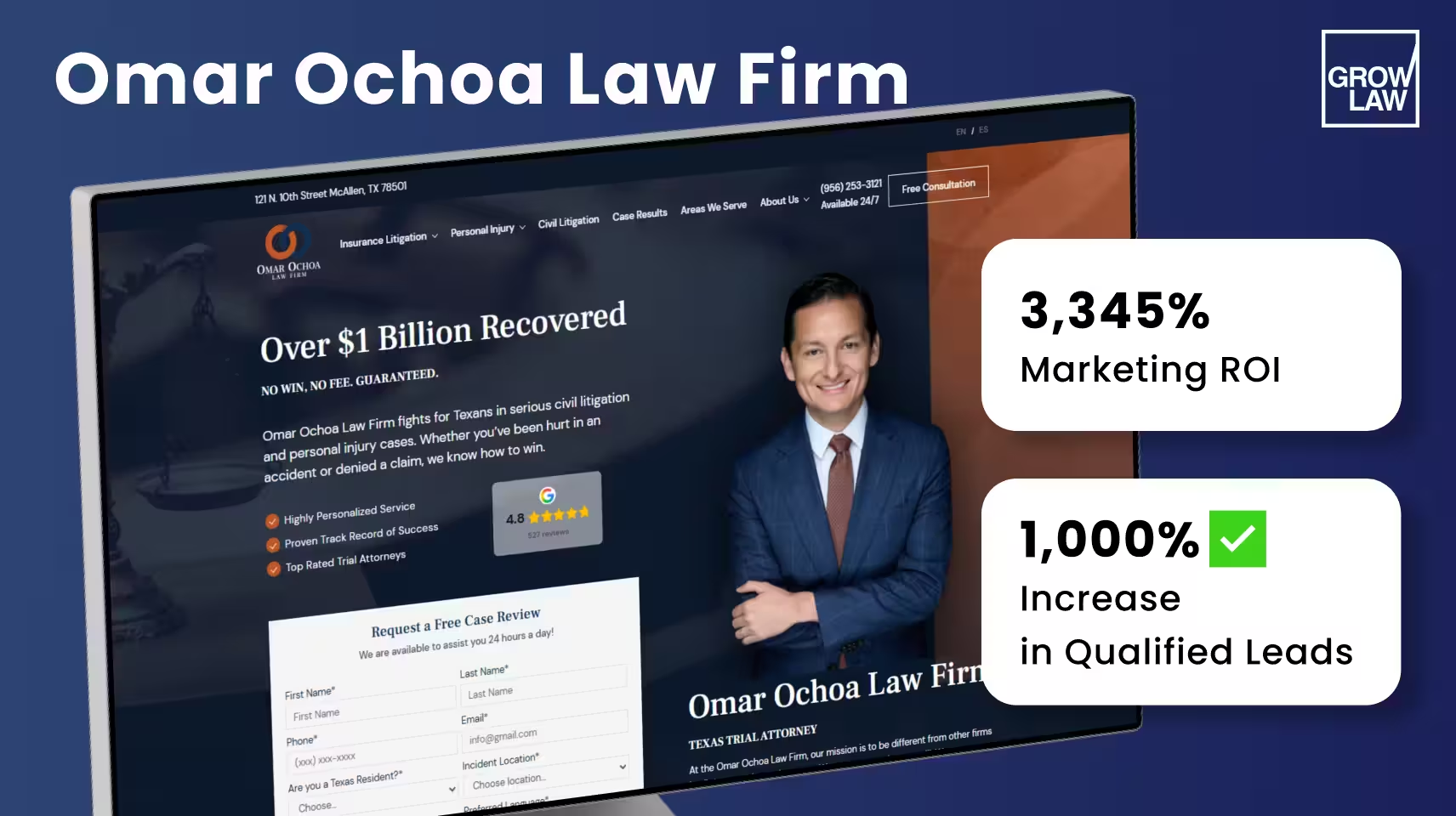
See how we design high-converting VA disability law firm websites -> Law Firm Website Design
Veterans Disability Lawyer Marketing: Digital Advertising Channels
— PPC and Google Ads for VA Disability Firms
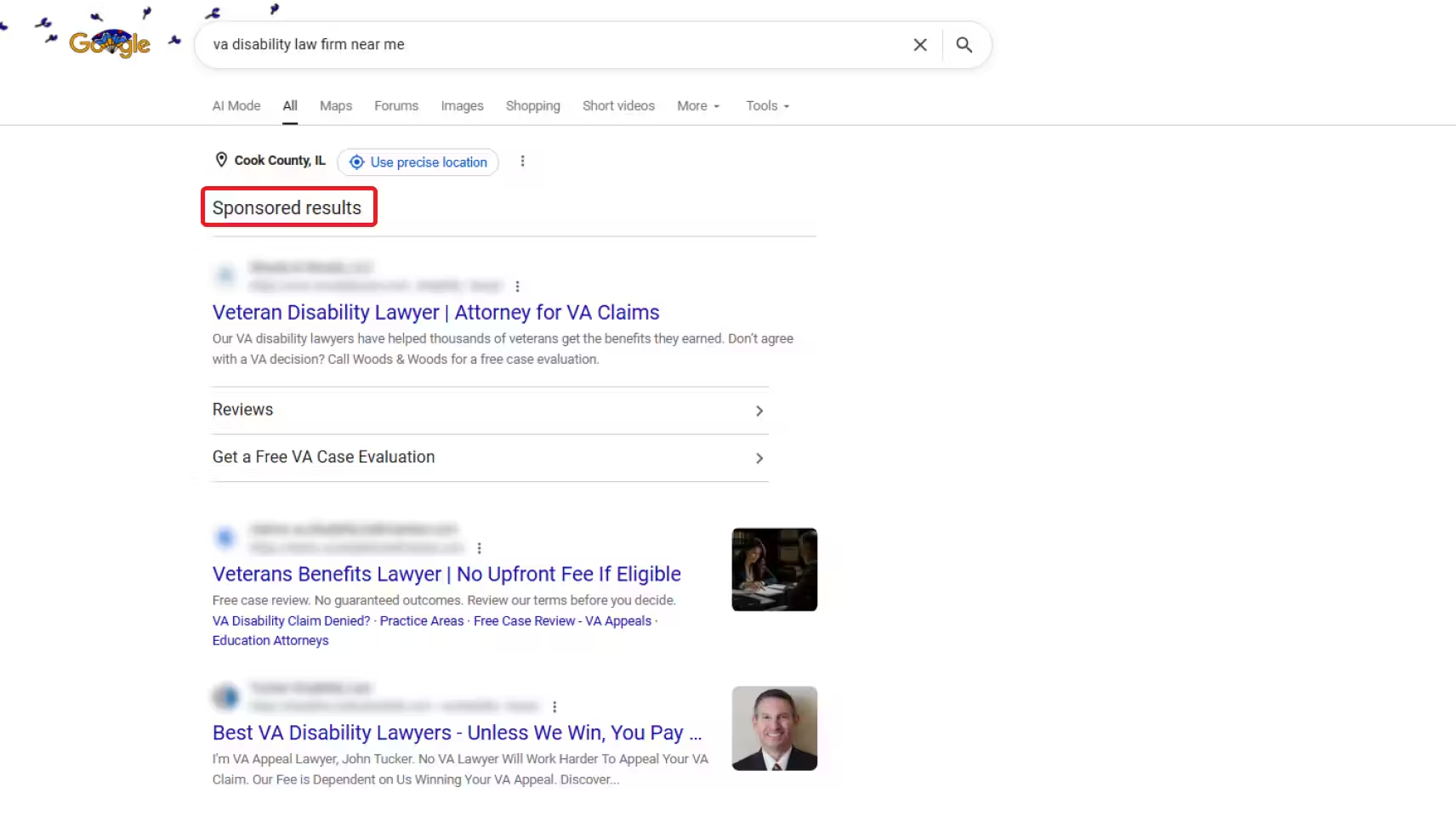
Veterans disability attorney advertising through paid search captures veterans who are in active search mode — they have a specific claim situation and they are looking for urgent help. The most effective campaign structures for VA disability PPC are built around claim type (initial claims, NOD appeals, BVA appeals, CAVC appeals) and specific conditions (PTSD claims, TBI rating disputes, PACT Act toxic exposure), with each ad group linking to a dedicated landing page that matches the ad.
To show up locally, add VA disability advertising on Google Local Services Ads. This is a cost-per-lead model above standard PPC, with Google Screened verification lending you additional credibility. Veterans who see your Google Screened badge alongside VA disability experience have fewer doubts about contacting you — the platform itself is validating your firm. LSA placement also rewards response speed, which creates a direct operational incentive to maintain fast intake practices.
— Facebook Ads and Social Advertising for Veteran Audiences
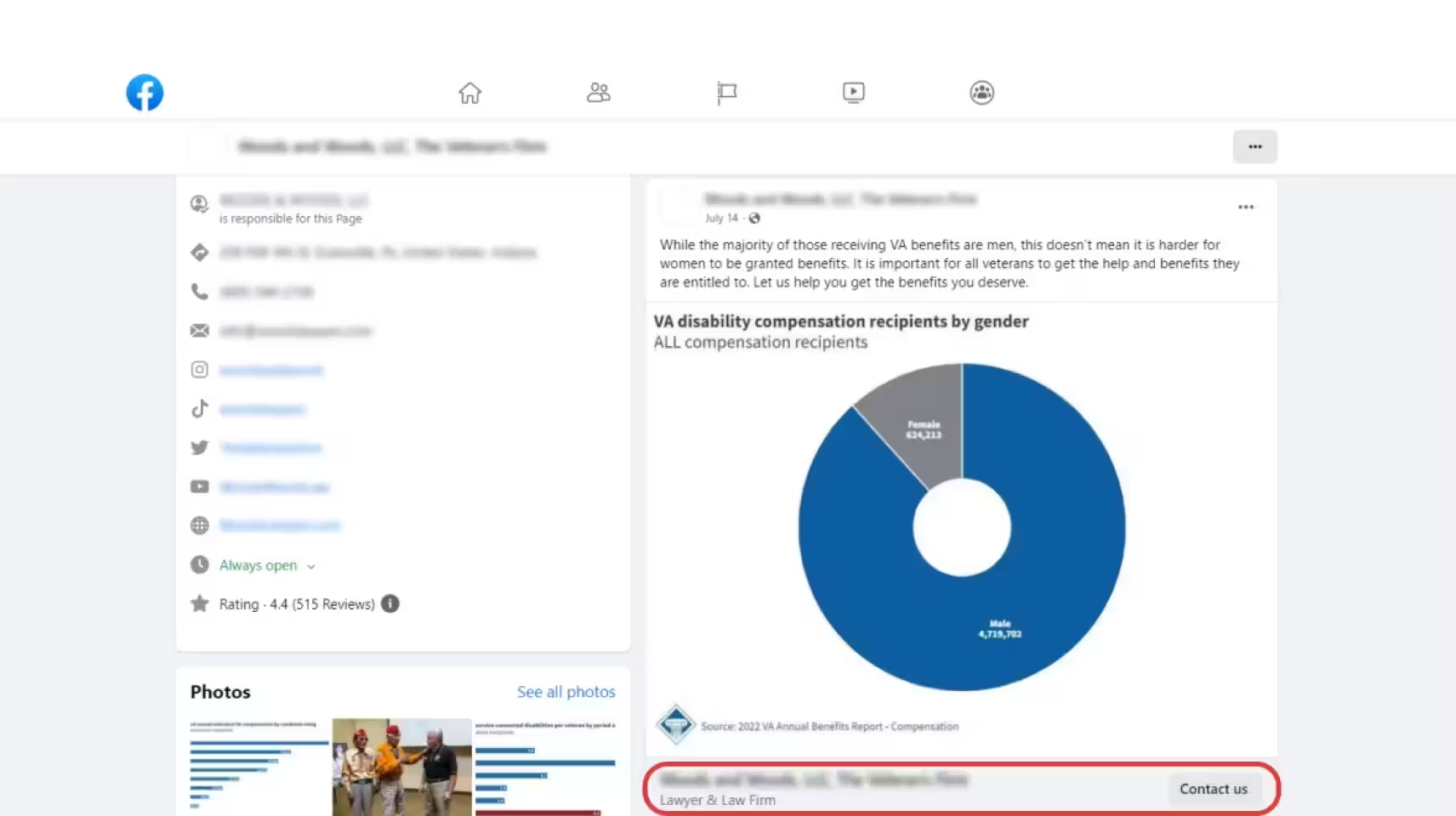
Veterans disability attorney advertising through Facebook reaches a different segment than search — veterans who are not in active search mode but are in the awareness phase, or who have been considering their claim situation without taking action. Facebook and Instagram targeting for VA disability firms works by layering veteran status with age demographics, location, and behavioral signals. Video content performs particularly well in this channel. Use short attorney introduction videos explaining how the appeals process works, or testimonial videos from past clients. These convert at higher rates than static image ads.
Bing Ads provide a supplementary paid channel worth testing in VA disability markets. The Bing/Microsoft advertising network reaches a slightly older demographic than Google, which aligns well with the veteran population the VA disability market serves. We’ve seen that cost-per-click is typically lower than Google for comparable terms, which can improve your campaign’s economics, especially if you have a limited paid advertising budget.
Content Marketing and Social Media for VA Disability Attorneys
— Content That Earns Trust Before First Contact
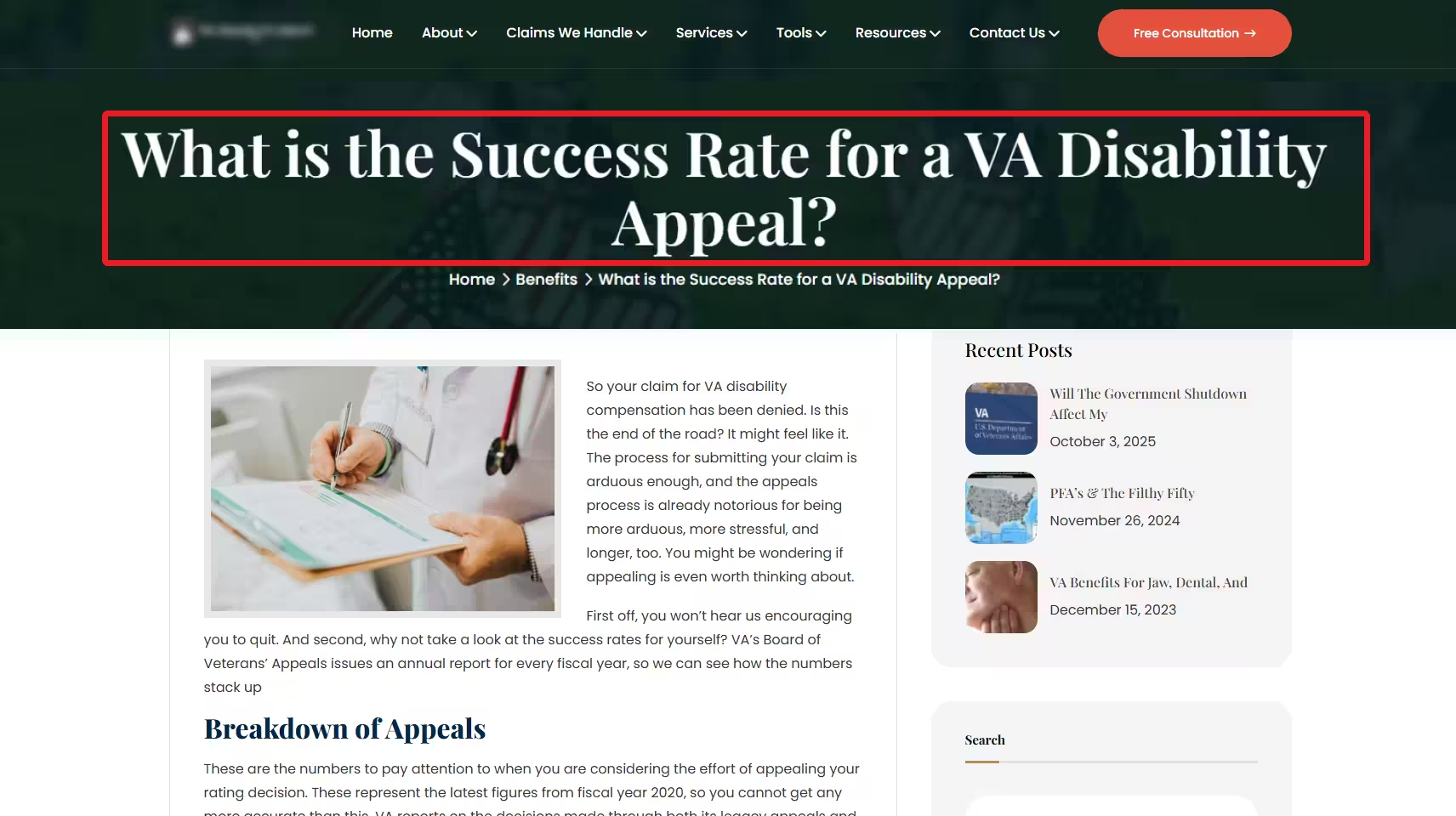
Content marketing for veteran disability lawyers builds the ambient authority that converts research-phase prospects into consultation requests. Veterans researching their claim options spend time on Google looking for answers to specific questions: "what are the chances of winning a VA appeal," "how long does a BVA appeal take," "what is a nexus letter, and do I need one," "PACT Act eligibility for burn pit exposure." If your firm publishes authoritative, specific answers to those questions, you’ll earn that veteran’s trust before they call you.
Blog content, FAQ pages, and video explainers on VA process topics compound over time — each published piece continues attracting organic search traffic months and years after publication, at zero additional cost. This compounding effect is what makes content the most capital-efficient channel in VA disability marketing over a 12-to-24-month horizon.
— Social Media: Building Community Presence with Veteran Audiences
Social media for VA disability law firms works most effectively as a trust amplification and community presence channel. LinkedIn connects the firm with other professionals and referral sources — other attorneys, VSOs, and veteran-serving organizations.
Facebook is where the veteran community organizes: veteran support groups, PACT Act claim communities, and service-connected disability forums are active on Facebook and represent organic distribution channels for educational content. Twitter/X provides a real-time channel for commenting on VA policy updates, BVA decision trends, and PACT Act implementation news.
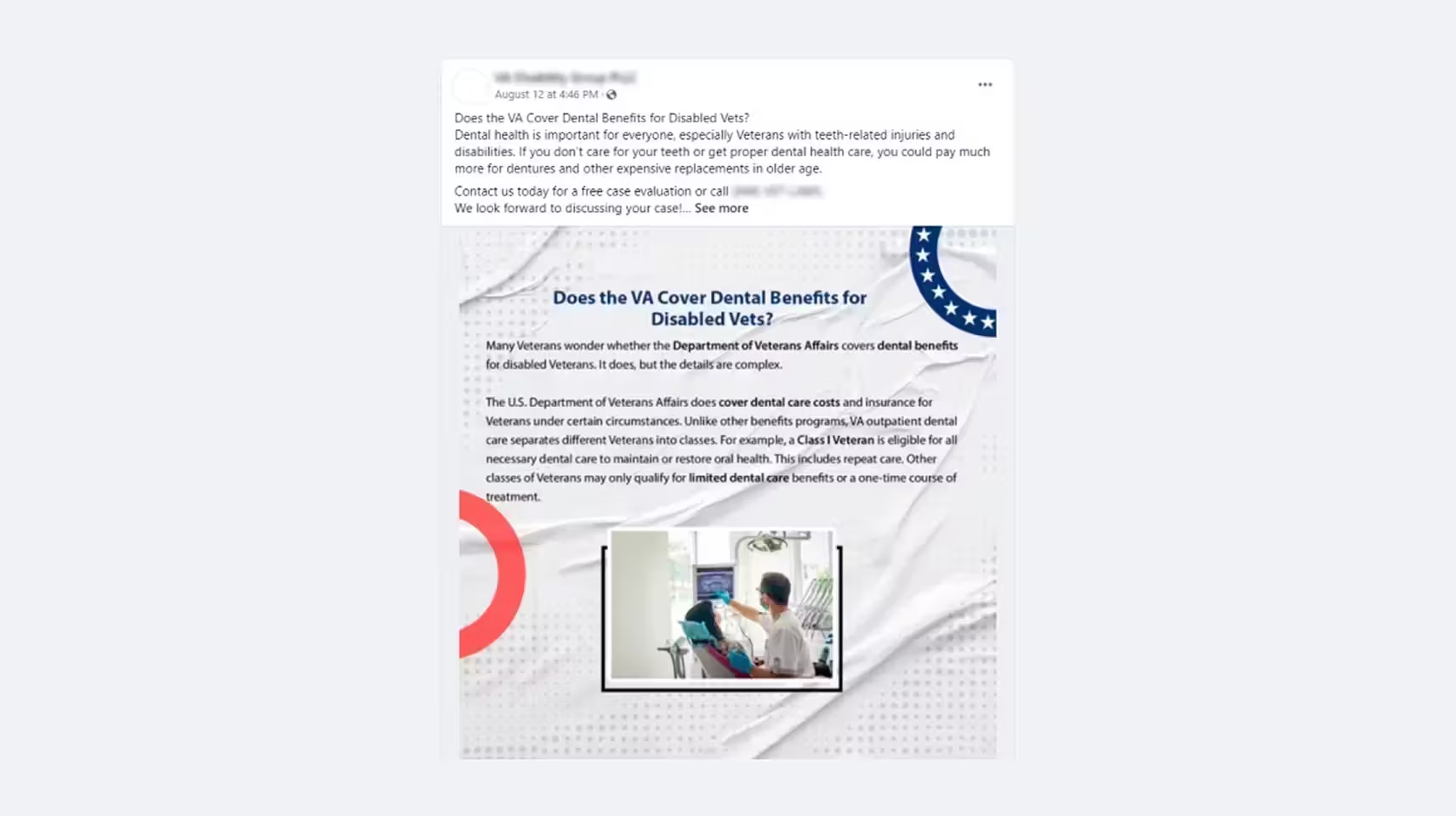
We can’t say this enough. Consistency matters more than volume in social media for this practice area. Two or three posts per week of genuine value — a claim tip, a policy update explained in plain language, a client success story (with permission) — builds a recognizable presence over months. If your firm posts sporadically or pushes promotional content exclusively, you won’t build a community presence or a lead flow from social channels.
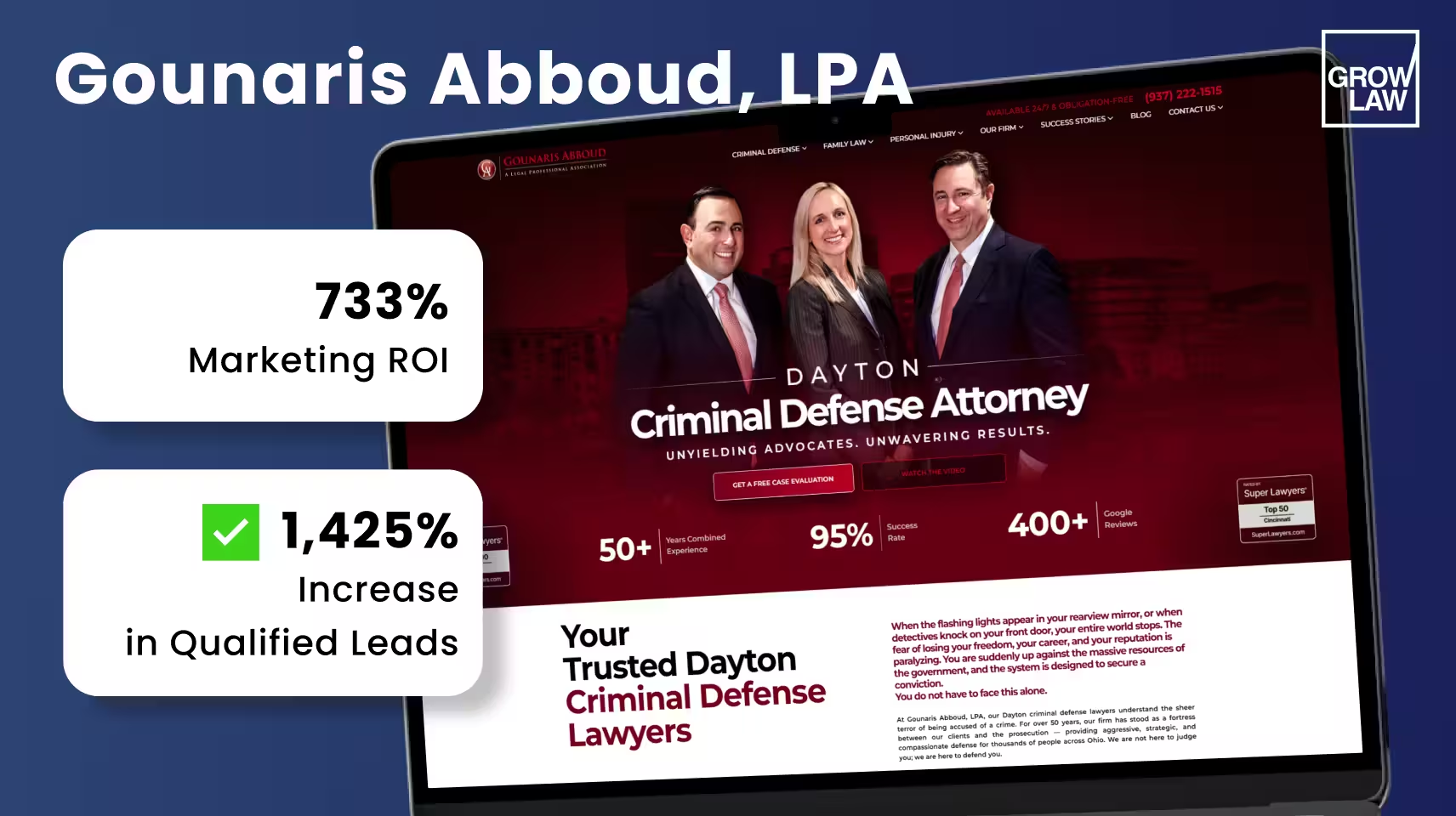
Get a custom veterans disability marketing plan for your firm -> Free Growth Plan
Reviews, Email, and Long-Term Lead Generation
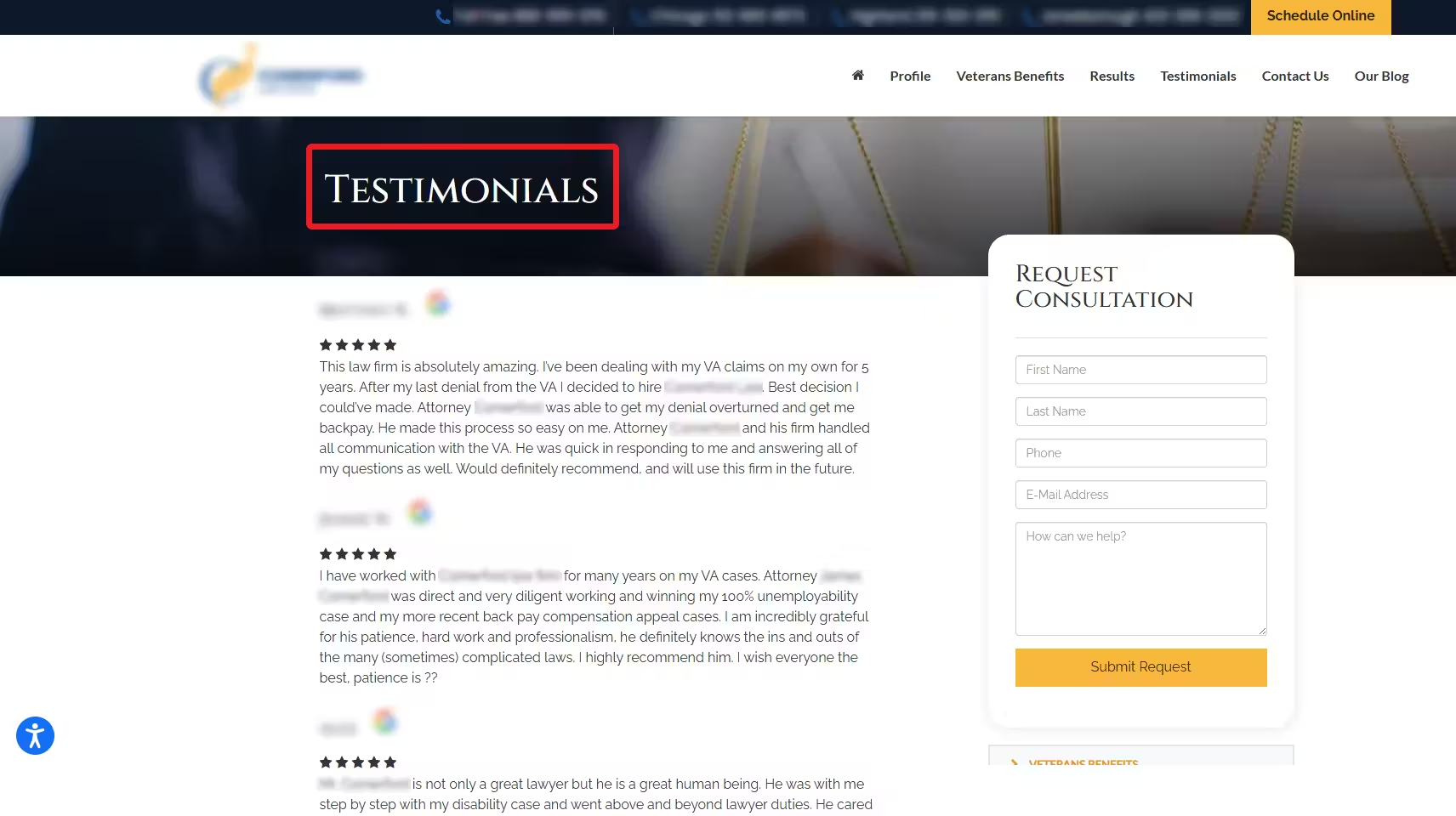
Client reviews are the most powerful trust signal available to VA disability law firms, and the most underused. A veteran comparing two firms — one with 9 reviews averaging 4.7 stars, one with 74 reviews averaging 4.9 stars — calls the second firm first, regardless of credentials. Review acquisition needs to be systematized into post-resolution workflow: a personalized request at case resolution, when the veteran satisfaction is highest, produces significantly better results than any automated reminder system.
Email marketing for VA disability firms maintains visibility with two important audiences: veterans in the research or waiting phase who opted in for information but are not ready to hire, and past clients who may have additional claims, family members who need help, or referral relationships within veteran networks. A monthly newsletter covering VA policy updates, rating schedule changes, and PACT Act implementation keeps the firm visible and reinforces expertise without requiring active outreach.
Veteran disability leads also come from referral relationships with VSOs (Veteran Service Organizations), other attorneys, healthcare providers treating veterans for service-connected conditions, and military transition assistance programs. These referral sources interact with veterans before they contact an attorney — a recommendation from a VSO representative or a VA healthcare provider carries significant trust transfer that no ad can replicate.
Summary
- Veterans disability attorney marketing starts with positioning around specific claim types and veteran populations — generic "we help veterans" messaging does not convert against firms with specific expertise signals.
- The website is the primary trust evaluation tool for veterans in the research phase — slow load times, thin attorney bios, and missing mobile optimization are conversion killers regardless of channel spend.
- VA disability advertising across Google Ads, LSA, and Facebook reaches veterans at different stages of the decision process; all three channels complement each other rather than compete.
- Content marketing that answers specific VA process questions builds ambient authority that compounds over time and reduces dependence on paid channels.
- Review acquisition systematized into post-resolution workflow is the highest-ROI trust-building activity for most VA disability firms.
- Referral relationships with VSOs, veteran healthcare providers, and military transition programs produce high-trust leads that paid channels cannot replicate.
Frequently Asked Questions

Compare Your Practice Instantly
Stay Ahead of the Competition!
Compare your law firm's performance to Local competitors with our instant assessment tool
Get a clear picture of your firm's performance
Boost your online presence
Compare My Firm
Compare Your Practice Instantly
Stay Ahead of the Competition!
Compare your law firm's performance to Local competitors with our instant assessment tool
Get a clear picture of your firm's performance
Boost your online presence
Compare My Firm
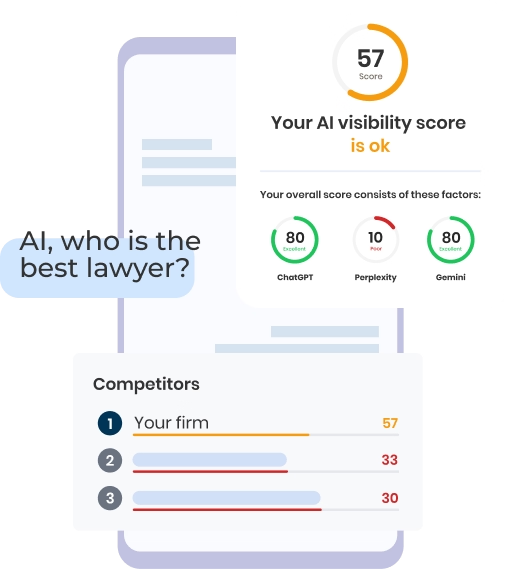
Check Your AI Visibility Instantly
Find Out What AI Is Telling Your Potential Clients
Run our free AI Visibility Report to:
See how often top AI tools mention your law firm
Spot which competitors show up first
Get the next steps to capture more cases
Run My Free AI Report
.avif)
.avif)
.avif)

