


Table of Contents
Immigration attorney marketing is one of the most complex disciplines in legal marketing — and one of the most rewarding when done right. Your immigration law firm marketing must reach audiences that span dozens of languages, navigate cultural differences in how legal services are evaluated and trusted, serve clients whose needs range from urgent deportation defense to multi-year employment visa processes, and compete in markets that vary dramatically by geography and demographics.
This guide covers the full picture: how to position an immigration practice for the clients it actually wants to attract, how bilingual marketing for immigration opens client segments that competitors miss, how digital channels and lead generation work in this space, and what the highest-performing immigration firms do consistently that others do not.
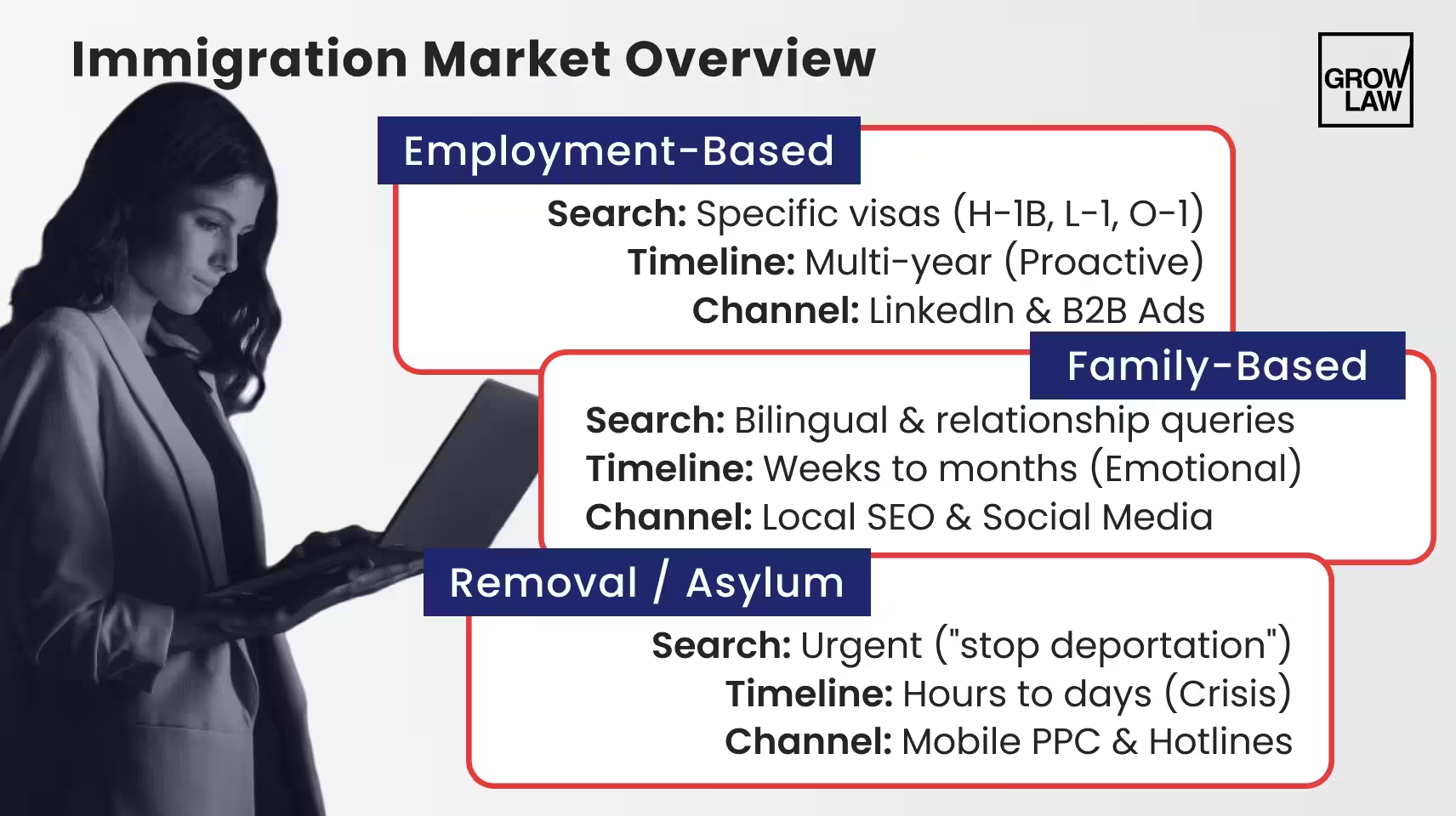
Positioning Immigration Law Firm Marketing Around Visa Categories
Immigration lawyer marketing that tries to be everything to every immigrant ends up being the obvious choice for no one. The most successful immigration marketing strategies start with a positioning decision: which visa categories, which immigration pathways, and which client demographic does the firm want to own in its market? Our immigration law statistics provide background for researching these audiences.
This is not a service restriction. Most immigration firms handle a wide range of matters. It is a marketing decision about where to concentrate your visibility, credibility, and messaging. A firm that positions itself around employment-based immigration speaks differently, appears in different searches, and builds different referral relationships than one focused on family-based immigration or removal defense.
Each segment has distinct characteristics: employment-based clients are often employer-sponsored, research-driven, and compare multiple firms over weeks; family-based clients are driven by life events (marriage, birth of a child) with moderate urgency; removal defense and asylum clients are in acute crisis, making decisions under extreme time pressure.
This is why we say: marketing for immigration lawyers, built around a clear positioning, will produce better leads because the messaging resonates precisely with the prospect reading it. It also drives stronger referral volume from the professionals — HR departments for employment cases, community organizations for family and asylum cases, criminal defense attorneys for removal defense — who understand exactly what your firm does and can confidently recommend it.
Immigration clients do not just want a qualified attorney. They want an attorney who understands their specific situation — their visa category, their country of origin, their stage in the immigration process. Marketing that reflects that specificity converts. Generic immigration marketing does not.
See how we build visa-category marketing strategies for immigration law firms -> Immigration Law Marketing Services
Bilingual Marketing for Immigration: The Client Acquisition Channel Most Firms Underuse
Bilingual marketing for immigration is not a supplementary feature for firms that happen to have Spanish-speaking staff. For any immigration practice serving a non-English-speaking population — and most do — it is a primary client acquisition channel that competitors without bilingual capability cannot access. For a deeper look at this audience, read our Hispanic lawyer marketing guide.
The immigration client base is linguistically diverse. Spanish, Mandarin, Portuguese, Tagalog, Hindi, Arabic, Haitian Creole, and Korean each represent substantial client populations in major U.S. markets. Prospects in these communities search for legal help in their own language, consume content in their own language, and evaluate attorneys based on trust signals calibrated to their cultural context.
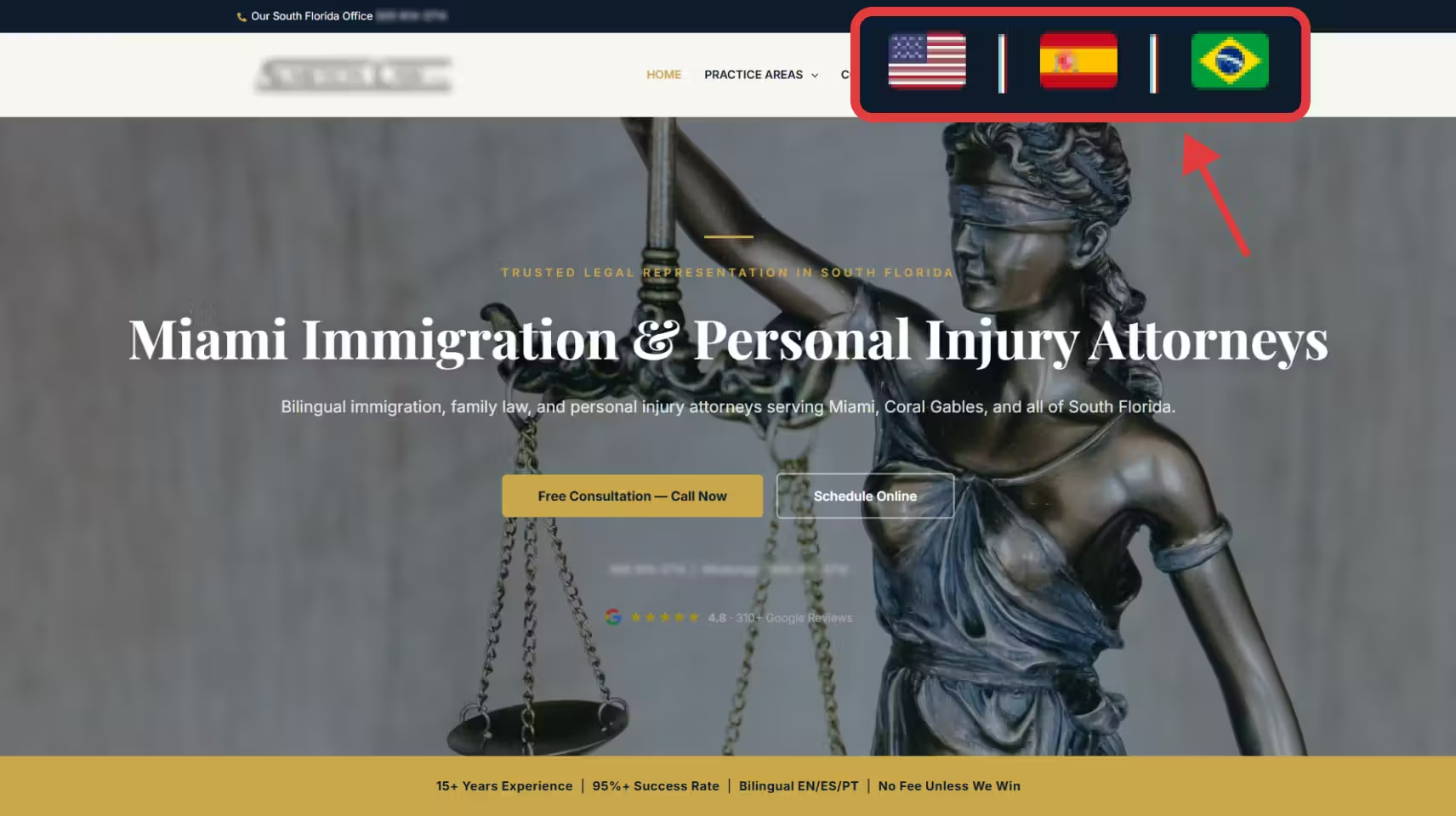
A firm that serves these populations exclusively through English-language marketing leaves a significant share of addressable demand unreached.
Effective bilingual marketing for immigration operates at three levels.
First, professionally produced multilingual website content — not machine translation — that addresses the specific immigration situations relevant to the target community and reflects cultural familiarity, not just linguistic accessibility.
Second, multilingual paid advertising campaigns with landing pages that match the language and cultural context of the ad.
Third, community presence: involvement in immigrant-serving organizations, referral relationships with community leaders, and visibility in the spaces where target communities gather and share information.
Immigration attorney advertising that combines digital reach with community presence consistently outperforms digital-only campaigns in multilingual markets.
More importantly, immigration lawyer leads from bilingual and community channels tend to be higher-quality than broad digital leads because they come with a community trust signal. A prospect referred by a trusted community organization or a bilingual content piece that clearly understands their situation enters the intake conversation with a meaningfully higher level of trust than a cold search lead.
Digital Marketing for Immigration Lawyers: Channels and Lead Generation
— Immigration Law Firm Website: Building Trust Across Cultural Contexts
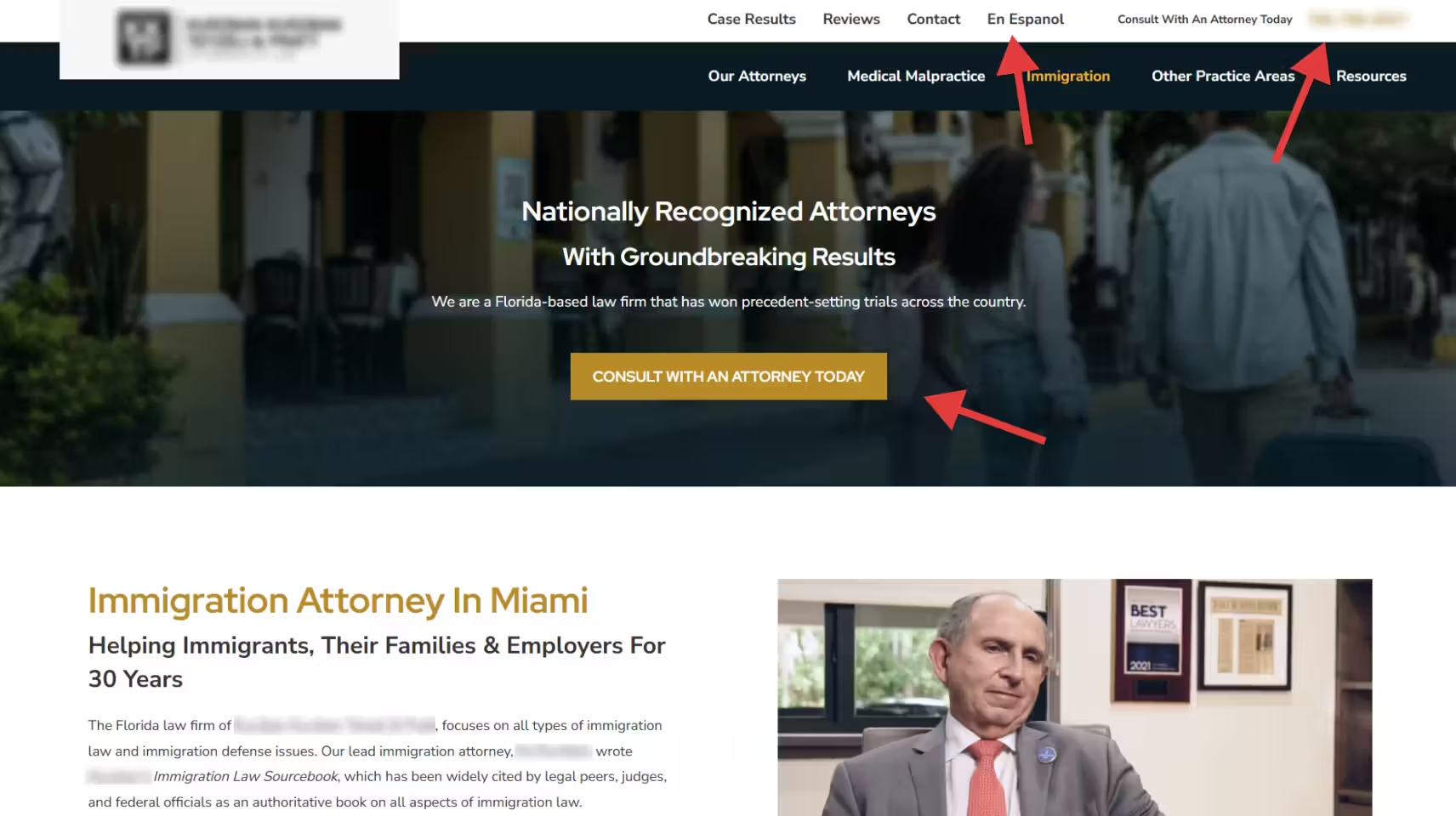
Immigration law firm marketing online starts with a website that communicates trust across the diversity of your client base. An immigration website that serves only English-speaking visitors, uses only American cultural reference points, and has a single generic "immigration services" page is structurally incapable of converting the majority of the immigration market.
Digital marketing for immigration lawyers that converts requires: visa-specific service pages for each pathway the firm handles (family-based, employment, removal defense, naturalization, asylum, DACA, U and T visas) with content that addresses the specific process, timeline, and documentation for each; multilingual navigation and attorney language credentials visible in the header, not buried in an about page; client testimonials available in the languages of the firm client base, with video testimonials from clients who reflect the demographics of the target audience; and mobile performance calibrated to the reality that most immigration searches happen on phones.
You can also strengthen your immigration law lead generation through the website with gated content — downloadable visa category guides, naturalization checklists, adjustment of status timelines — that captures email contacts from prospects who are in the research phase but not yet ready to hire. Immigration law leads from this channel convert on a longer timeline than direct inquiry leads, but they represent a prospect base that digital advertising cannot cheaply acquire.

— Immigration Attorney Advertising and Paid Lead Generation
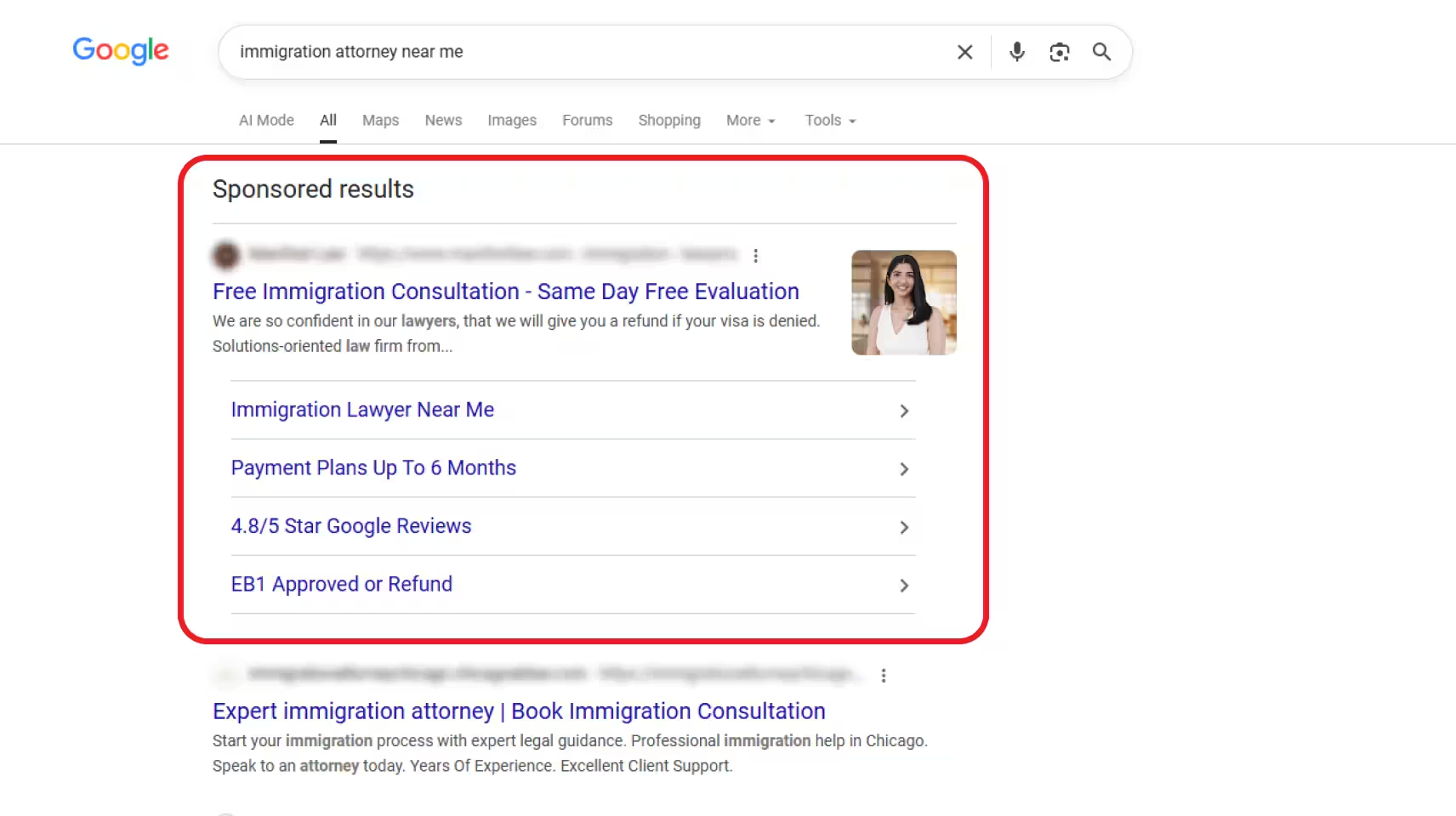
Immigration attorney advertising through paid search works best when built around specific visa categories and urgency levels rather than broad immigration terms.
"Immigration attorney" as a standalone keyword is expensive and attracts a wide range of intent, from someone researching the field to someone in immediate need of removal defense. "Removal defense attorney in [city]," "H-1B attorney for tech companies," or "adjustment of status lawyer near me" are more specific, more expensive per click, and convert at significantly higher rates because they match an immediate, specific need.
Immigration leads from Google Local Services Ads provide an additional paid channel with a per-lead cost model. LSA for immigration requires Google Screened verification but, once active, delivers leads at a lower cost per acquisition than standard PPC in most markets. Response speed is a ranking factor in LSA — immigration firms with rapid response protocols consistently outperform slower competitors in LSA placement.
Consider online marketing for immigration lawyers through social channels, particularly Facebook and Instagram. These work well for family-based immigration and community-facing practices because these platforms allow demographic and geographic targeting that matches the cultural profiles of specific immigrant communities. Spanish-language Facebook campaigns targeting a specific DMA can reach prospects who are not actively searching but are in a situation where immigration legal help is relevant.
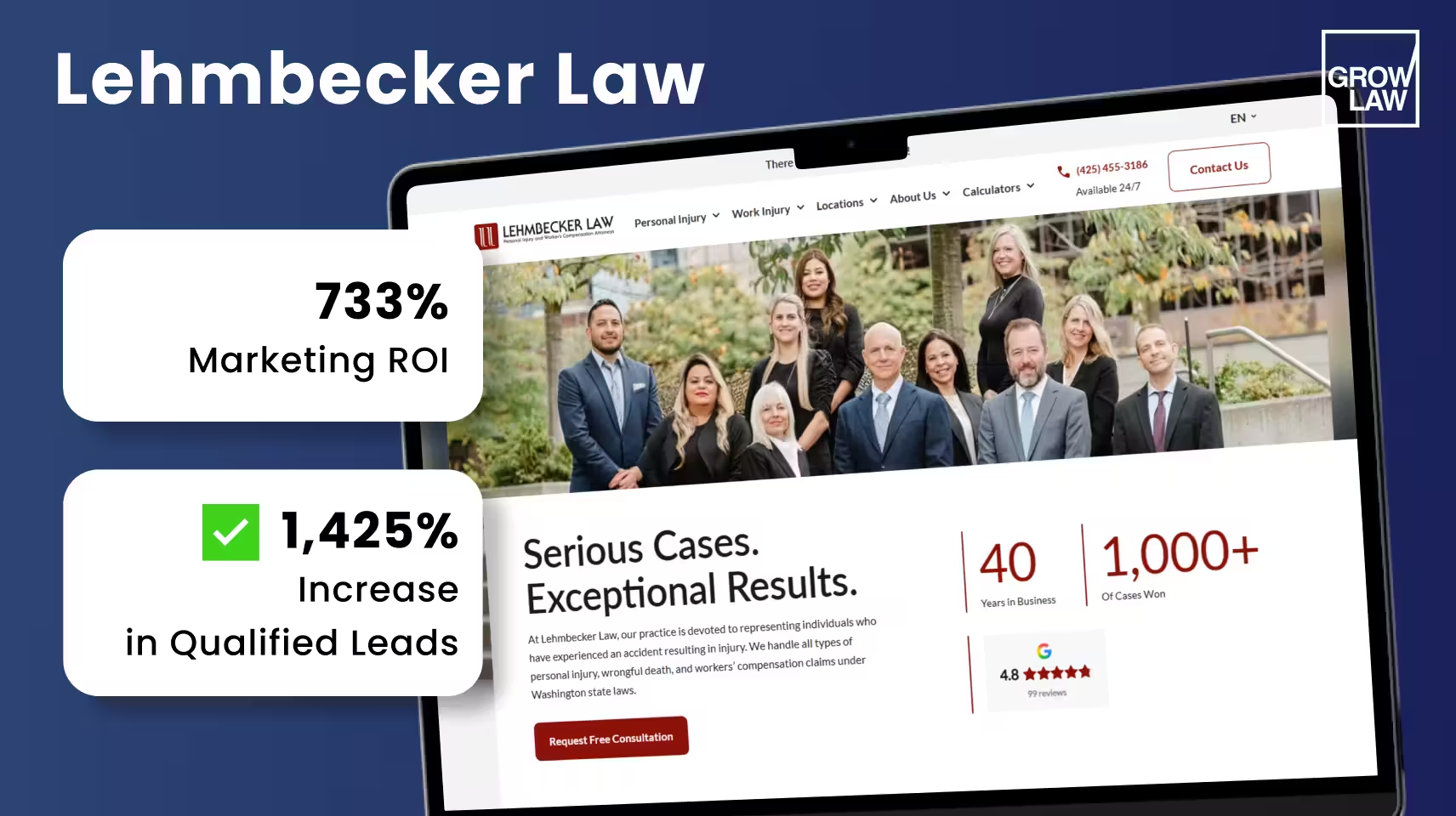
Get a custom immigration marketing plan built around your practice areas and client demographics -> Free Growth Plan
Summary
- Immigration attorney marketing requires positioning around specific visa categories and client demographics — marketing for immigration lawyers that tries to serve all immigrant populations equally serves none of them distinctly.
- Bilingual marketing for immigration is a primary client acquisition channel, not an add-on. Professionally produced multilingual content and advertising opens client segments that English-only competitors cannot reach.
- Immigration law firm websites must serve multiple languages, feature visa-specific service pages, and reflect cultural familiarity to convert the diverse client base immigration practices serve.
- Digital marketing for immigration lawyers through paid search, LSA, and social advertising works best with visa-specific targeting and matching landing pages; gated content captures longer-cycle research-phase leads.
- Immigration law lead generation is strongest when digital channels are paired with community presence — involvement in immigrant-serving organizations and referral relationships with community professionals.
Frequently Asked Questions
-
How to market an immigration law firm?
How to market an immigration law firm effectively starts with positioning: which visa categories and which client demographics does the firm serve best, and what is distinctive about its approach? From that foundation, immigration law firm marketing combines a multilingual website with visa-specific service pages, paid advertising targeting specific visa categories and urgency levels, bilingual marketing for immigration across digital channels and community networks, and a referral development strategy with the HR departments, community organizations, and other professionals who interact with target clients before they contact an attorney.
-
How can immigration lawyers get more leads?
How immigration lawyers can get more leads: build visa-specific landing pages optimized for the specific queries each client segment uses; run multilingual paid advertising campaigns in the languages of the target client base with matching language landing pages; develop referral relationships with HR departments for employment cases and community organizations for family and asylum cases; publish gated content guides on specific visa processes to capture email contacts from research-phase prospects; and invest in community presence in the immigrant communities the firm serves. Immigration law lead generation compounds over time when digital and community channels reinforce each other.
-
What marketing strategies work for immigration lawyers?
Marketing strategies that work for immigration lawyers are those calibrated to the specific client segment being targeted: employment-based immigration clients respond to demonstrated expertise in specific visa categories and industry verticals; family-based clients respond to cultural familiarity, language accessibility, and clear process explanation; removal defense and asylum clients are in crisis and need immediate trust signals and accessibility. Immigration lawyer marketing strategies that apply one messaging framework across all of these segments consistently underperform strategies that address each segment specifically.
-
How should immigration lawyers use bilingual marketing?
How immigration lawyers should use bilingual marketing: start with professionally produced content in the primary languages of the target client base — not translation plugins but culturally appropriate content written for the specific community being served. Optimize that content for non-English search queries with the same rigor applied to English pages. Run paid campaigns in the target language with culturally matched landing pages. Display language credentials prominently on the website and in the Google Business Profile. Invest in community presence and referral relationships in the target community. Bilingual marketing for immigration is most effective when it is built as a parallel marketing system, not a translated version of the English strategy.
-
How can immigration attorneys attract more clients?
How immigration attorneys can attract more clients combines digital visibility, community presence, and referral development. Digital: visa-specific website pages optimized for search, paid advertising targeting specific visa categories, and LSA for cost-efficient local leads. Community: involvement in immigrant-serving organizations, speaking at community events, and relationships with cultural leaders who influence referral decisions. Referral: relationships with HR departments, criminal defense attorneys (for removal defense crossover), family law attorneys, and community organizations. Immigration attorney marketing that operates across all three channels simultaneously builds the most resilient and highest-volume client acquisition system.
-
What advertising works for immigration law firms?
What advertising works for immigration law firms: Google Ads campaigns built around specific visa categories (not broad "immigration attorney" terms) with dedicated landing pages for each; Google Local Services Ads for cost-per-lead local visibility with Google Screened credibility; Facebook and Instagram campaigns targeting demographic and geographic profiles that match specific immigrant communities, particularly for family-based and community-facing practices; and retargeting campaigns that maintain visibility with website visitors throughout the immigration decision process. Immigration attorney advertising that matches the language, cultural context, and specific visa situation of the prospect consistently outperforms advertising that treats the immigration market as a single audience.

Compare Your Practice Instantly
Stay Ahead of the Competition!
Compare your law firm's performance to Local competitors with our instant assessment tool
Get a clear picture of your firm's performance
Boost your online presence
Compare My Firm
Compare Your Practice Instantly
Stay Ahead of the Competition!
Compare your law firm's performance to Local competitors with our instant assessment tool
Get a clear picture of your firm's performance
Boost your online presence
Compare My Firm
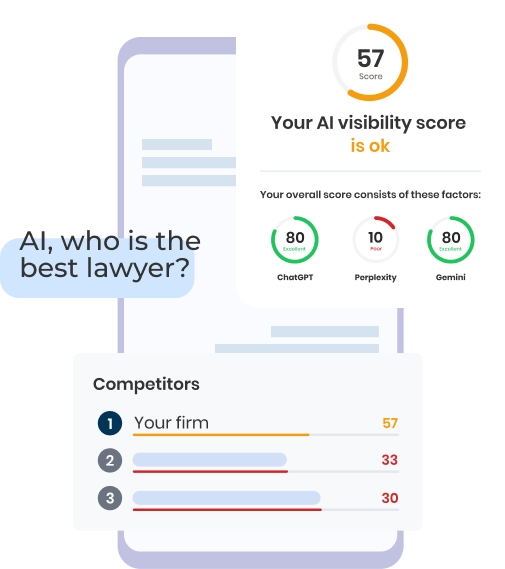
Check Your AI Visibility Instantly
Find Out What AI Is Telling Your Potential Clients
Run our free AI Visibility Report to:
See how often top AI tools mention your law firm
Spot which competitors show up first
Get the next steps to capture more cases
Run My Free AI Report
.avif)
.avif)
.avif)

